
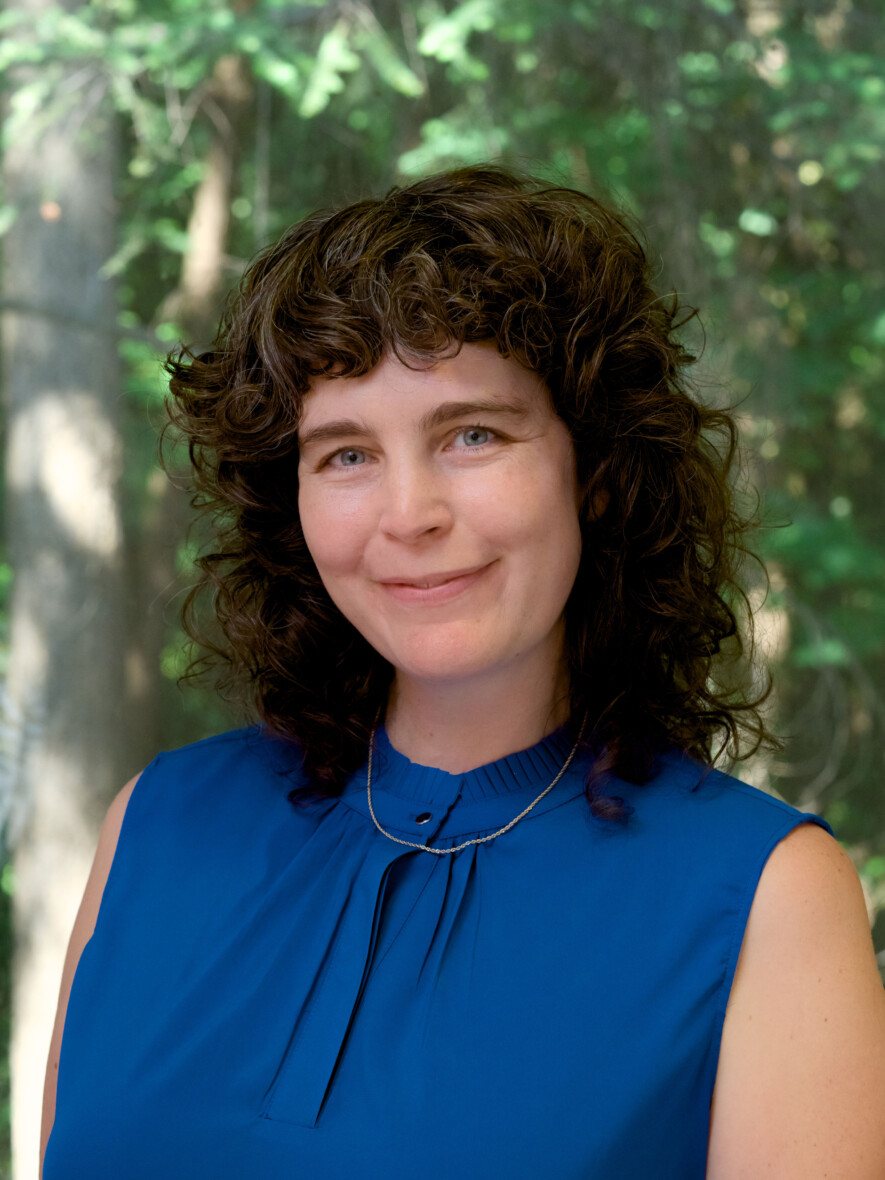
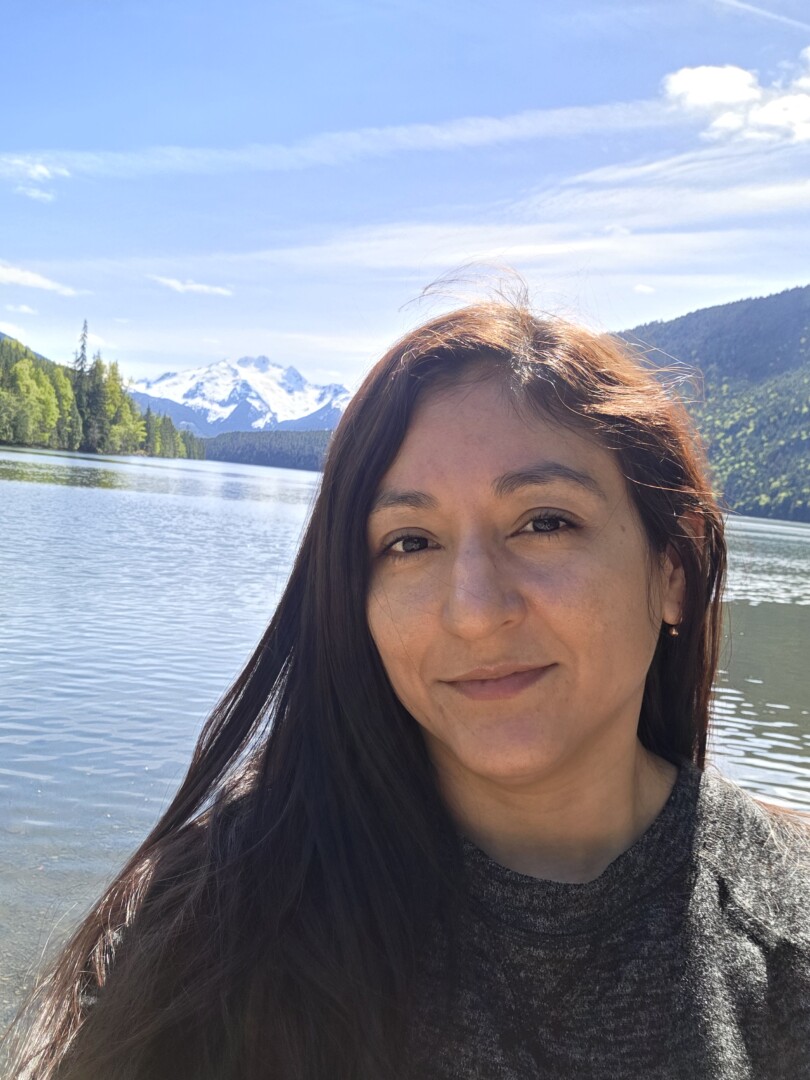
Multi-Agency Partnership (MAP) BC and the University of British Columbia’s (UBC) Centre for Migration Studies present—Strengthening Borders, Weakening Rights? (June 22, 312 Main Street)—in honour of World Refugee Day. The event features a panel discussion of the recently passed Bill C-12, Strengthening Canada’s Immigration System and Borders Act. Experts such as moderator and UBC research associate Lisa Ruth Brunner caution the Bill will leave asylum seekers and refugees in “limbo,” without a pathway to permanent residency and access to essential services.
“This Bill is not really upholding the letter and spirit of the concept of Canada’s role on the international stage as a humanitarian actor,” she adds that prior to Bill C-12, Canada’s refugee system was highly respected internationally. “We’re required, as we should be, to support people seeking safety.”
“People’s lives and their hopes for the future are being turned upside down because of this Bill,” adds Katya Avalos, community engagement director of MAP BC.
Speakers include Yanni Nicolidakis-Mustafa, lawyer at Edelmann and Co; Saleem Spindari, Regulated Canadian Immigration Consultant and owner of Spindari Immigration Consulting Services; Evelyn Encalada Grez, assistant professor at Simon Fraser University.
The event also features an information fair with refugee serving agencies as well as storytelling from Kurdish writer and journalist Diary Marif. For Avalos, storytelling is a “wonderful” method to understanding “how or why” an individual is now a refugee.
“It makes people see themselves in that situation and ask, ‘How would I react if this had happened to me? Where would I go? What if the place I hoped to find protection did not allow me that chance?’” she says.
Shifting systems
Bill C-12 came into effect on March 26, 2026. According to Brunner, the Bill reduces access to refugee hearings—even for those who might have “valid protection claims.” It shifts the system towards pre-removal risk assessments (PRRA).
“Instead of full hearings, many refugee claimants will now have to go through a different system that is paper based as opposed to an oral hearing [and] has very low approval rates,” Brunner says.
She points out that this more administrative alternative has “a limited appeal” process. In fact, since PRRAs “do not technically have an appeal process,” applicants must apply for judicial review at the Federal Court of Canada. Avalos adds that, the sudden change of one’s immigration status leads to confusion amongst service providers. Those affected could also have their social assistance “cut off without prior notice.”
“Imagine a single mom who relies on income assistance to pay for housing for her family,” she says. “Her immigration status has suddenly changed, and she does not know what her new status will be or even how long it will take to find [that] out.”
Brunner adds that, under Bill C‑12, refugee claims are no longer referred to the IRB if they are made more than one year after a claimant’s first entry into Canada after June 24, 2020.
“The bill also restricts access to the IRB for people entering Canada through the U.S. not using a legal border crossing; combined with the Safe Third Country Agreement, this effectively eliminates IRB access for most claimants entering from the U.S. who do not qualify for an exemption,” she further explains.
“Bill C-12 is really penalizing people who wait longer than one year to make a claim,” Brunner adds that research shows those making claims based on sexual orientation or gender identification will sometimes wait longer. “That’s quite a vulnerable population.”
“IRCC estimates that around 30,000 refugee claimants who were already waiting for a hearing with the Immigration and Refugee Board (IRB) are being notified that they are no longer eligible for a hearing,” adds Avalos. “This is because the Bill is being applied retroactively to claims made after June 3rd, 2025.”
Expanding power
Brunner says, because the Bill does not come with a legacy exemption, some groups are now ineligible for refugee claims because of these time restrictions. These may include those with an Administrative Deferral of Removal (ADR) or Temporary Suspension of Removal (TSR), given to individuals whose deportations are deferred due to humanitarian crises.
“What is even more devastating is that refugee claimants from some of the most conflicted areas in the world, countries like Afghanistan, Haiti, Ukraine, Gaza, just to name a few, are not eligible for either type of application if the Bill applies to them,” Avalos adds. “This is because Canada is not deporting individuals to several countries that are facing serious humanitarian crises.”
She’s referring to how some individuals who can no longer make refugee claims are also ineligible for a PRRA—leaving them in limbo. Avalos adds that, these refugee claimants end up “stuck”—unable to “return to their countries” or “gain protection in Canada.”
Brunner also sees Bill C-12 as providing the government with “unprecedented” authority to alter one’s visa status—a concern that extends beyond the refugee system.
“The government can now pause or cancel applications that are already in process, revoke or change visas and permits and apply decisions to entire groups all at once,” says Brunner. “We’ve seen the government already use this power in its travel restrictions for people from countries affected by the current Ebola outbreak.”
“Every single refugee, regardless of where they came from or when they came, brings with them a history, an identity, hopes and dreams for their future and their children’s future,” Avalos says. “If you look beyond the label ‘refugee’ and look at the person instead, you will realize that they are just people who have experienced great hardship and are trying to remake their lives.”
She hopes the event fosters connection amongst attendees. Avalos adds that everyone can support refugees in feeling more welcomed, be it through donating clothes or tutoring English.
“People forget that refugees have been coming to Canada for generations and have shaped Canadian society for a long time,” she says. “We all have that power to make a difference.”
“It will be Canada’s loss to lose people who are already so deeply intertwined in our communities and who want to stay and continue contributing,” Brunner adds.
The UN recognizes June 20 as World Refugee Day. They estimate that more than 117 million individuals are forcibly displaced around the world.
For more information on the event, see https://events.ubc.ca/event/world-refugee-day-2026/.
For more information on MAP BC, see https://mapbc.org/.
For more information on Lisa Ruth Brunner, see https://blogs.ubc.ca/lisarbrunner/.
For more information on UN Refugee Day, see https://www.un.org/en/observances/refugee-day.


Comments will load once you reach the end of the article.