
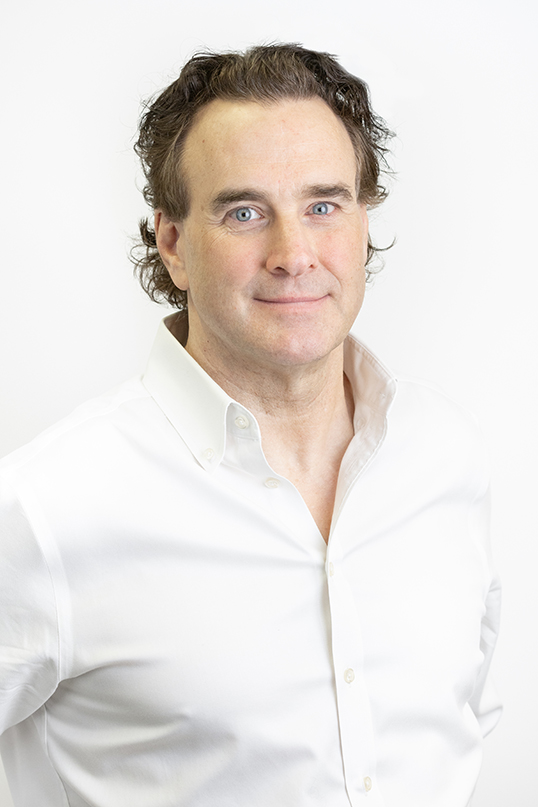
David Howard.
“For most of the last century, the typical Canadian veteran was a man, and our systems and programs were built around that,” Howard says part of the problem is visibility. Women veterans may not see themselves as veterans, and others may not recognize them as veterans – leaving their needs invisible. “Too often, when people picture a veteran, they still don’t picture a woman.”
Based in Calgary, Canadian Legacy Project funds programs empowering this nation’s veterans. In 2024, the organization partnered with The Atlas Institute for Veterans and Families – a leader in veteran mental health research – to launch the Warrioress Research project. Released in March 2026, their findings are shaping the Canadian Legacy Project’s programs.
Addressing gaps
According to Howard, women veterans face similar challenges to other veterans – including finding employment and rebuilding a sense of purpose and identity. Having to adapt to the civilian world – which may not “always understand military service” – is another hurdle.
“More than 60% of the women who took part [in the study] said their adjustment to post-military life was difficult, and many had been diagnosed with a mental health condition, most often post-traumatic stress disorder (PTSD) or anxiety,” Howard adds. “One in three had experienced sexual harassment at least once during their service, and many reported discrimination at least monthly.”
According to Howard, women veterans “often carry more,” as trauma from sexual harassment or discrimination “does not stay behind” when leaving service. Along with these challenges, these women may also be balancing family and caregiving responsibilities.
“Many face financial difficulty during transition, and they’re at a much higher risk of homelessness than civilian women,” the founder says isolation is another major challenge. “A woman may have been one of very few women in her unit, and after release, she may not know other women veterans at all.”
Canadian Legacy Project designed programs leveraging the power of peer connections. An example is Sister Strength – a free, online, therapist-led group counselling program. Open to women veterans of the Canadian Armed Forces, groups meet each week in a private, trauma-informed environment.
“Women can join from anywhere in Canada,” Howard shares participants also gain access to online resources and tools. “Two peer leaders are mentored from each group to support future participants, so the program builds its own community.”
Animal-assisted programs
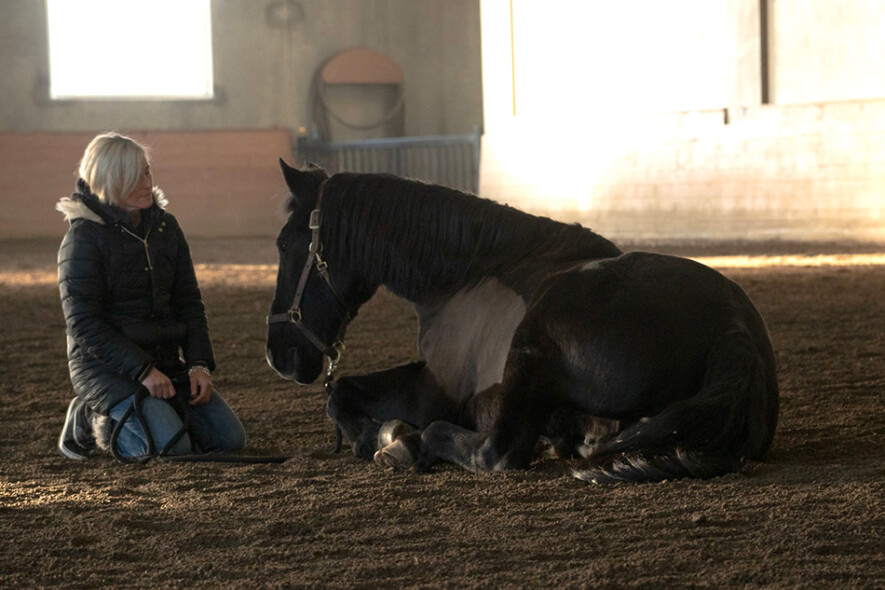
In partnership with Can Praxis, Canadian Legacy Project also offers Three Sisters Equine Therapy – a free equine therapy program supporting female veterans with operational stress injury (OSI). It is offered three times each year. Two sessions are held in Alberta, and one in Ontario.
“Horses respond to your emotions and body language, which helps participants practice calm, trust and confidence in a way that talk therapy alone cannot,” Howard shares.
The organization is also working on another animal service program – Paws That Protect Her – in collaboration with Paws 4 Resiliency (Alberta) and Veteran’s Elite Canines (Ontario). This initiative supports the training of service dogs specifically for women veterans’ needs.
“A trained service dog can help with PTSD-OSI symptoms such as anxiety, nightmares and hypervigilance, and can help a woman feel safe in public again,” Howard shares their first group of dogs is currently in training. “Developing a service dog takes about two years and costs thousands of dollars per dog, so this is a long-term commitment.”
Women veterans in need of a service dog can register on Canadian Legacy Project’s website. Howard emphasizes that participant information is never shared with Veterans Affairs Canada or other outside parties. Privacy, he adds, is important to many women veterans.
“Participants told us clearly that they want programs that are trauma-informed, psychologically safe and specific to women,” he says of their research. “As one of the study’s co-investigators, a veteran herself, puts it, many of the results were not a surprise to women who’d lived them.”
Picture her
Howard founded the Canadian Legacy Project in 2008 after seeing how his grandfather, a Second World War veteran, struggled with shell shock, now known as PTSD or OSI. The founder recalls witnessing his grandfather – who was near homelessness – eat dog food.
“When I asked why he didn’t go to a food bank, he told me, ‘Food banks are for women and children.’ He was too proud to ask for help,” Howard recalls. “I couldn’t stop thinking about how many veterans were in the same situation: isolated, unsupported and unwilling to ask.”
Howard then started a veterans food drive for the Calgary Poppy Fund, eventually growing the initiative into the Poppy Fund Veterans Food Bank. This work opened his eyes to the lack of support for veterans after service.
“My family and I provided the seed funding to start a charity that would create and fund the programs veterans need but can’t find anywhere else,” he adds that the public can support their work via donations. “We are running our annual Veterans Funding Drive this November, and every donation supports programs for Canadian veterans.”
He plans for the Canadian Legacy Project to continue addressing gaps in veteran support, including growing their Sister Strength program. A focus on research-driven programming remains a long-term priority. The goal, Howard says, is to ensure “every dollar goes where it makes the most difference.”
“We have also just brought several veterans onto our board,” the founder adds. “I want veterans’ voices guiding every decision we make.”
For Howard, remembrance is not just about the past. It is important to honour both those who died in service and all the veterans “living among us today” – neighbours, co-workers, family members – some of whom, he says, may be quietly struggling.
“If you know a woman veteran who could use support, please share our programs with her. Sometimes that’s all it takes,” Howard adds. “When you picture a veteran this November 11, picture a woman too: she served, she sacrificed and she deserves support designed for her.”
For more information, see www.canadianlegacy.org


Comments will load once you reach the end of the article.